
Skincare has become one of the biggest areas of the beauty industry. With thousands of cleansers, moisturizers, serums, and treatments available, building a skincare routine can sometimes feel overwhelming.
The good news is that effective skincare doesn’t have to be complicated. A simple routine based on your individual needs can be a great place to start.
What Is Skincare?
Skincare refers to the habits and products used to care for your skin.
A skincare routine can include cleansing, moisturizing, sun protection, and other products designed for specific needs.
Your skin can change depending on factors such as weather, environment, age, lifestyle, and personal characteristics, so your routine may need to change over time.
The Basic Skincare Routine
A simple skincare routine generally has a few key steps.
1. Cleanser
Cleansing can help remove dirt, excess oil, makeup, and other substances from the skin.
Choose a cleanser appropriate for your skin and follow the product’s directions.
Avoid excessive scrubbing, especially if your skin is sensitive.
2. Moisturizer
Moisturizers help support the skin’s moisture barrier and can make the skin feel more comfortable.
Different formulations are available for different skin types and preferences.
3. Sunscreen
Sun protection is an important part of daytime skincare.
A broad-spectrum sunscreen can help protect exposed skin from ultraviolet radiation. Follow the product instructions for application and reapplication.
Sun protection can also include seeking shade and wearing protective clothing when appropriate.
Understanding Your Skin Type
Understanding how your skin behaves can help you choose products.
Common descriptions include:
Oily Skin
Oily skin tends to produce more sebum and may appear shiny, particularly in certain areas.
Dry Skin
Dry skin can feel tight, rough, or uncomfortable, especially when environmental conditions are dry.
Combination Skin
Combination skin may have both oily and dry areas.
Sensitive Skin
Sensitive skin may react more easily to certain products or environmental conditions.
These categories are general, and individual skin can be more complex than a single label.
What About Serums?
Serums are concentrated skincare products designed around specific ingredients or goals.
Depending on the formulation, a serum may be designed to provide hydration or address particular cosmetic concerns.
You don’t necessarily need a serum to have a good skincare routine. If you decide to use one, follow its instructions and introduce it gradually.
How Often Should You Exfoliate?
Exfoliation can help remove dead skin cells from the skin’s surface, but more is not always better.
Over-exfoliating can cause irritation, so follow the product instructions and consider your skin’s sensitivity.
Avoid combining multiple strong exfoliating products without understanding how they interact.
Skincare Ingredients
Beauty products often contain ingredients that can sound complicated.
Some commonly discussed skincare ingredients include:
- Hyaluronic acid
- Niacinamide
- Vitamin C
- Salicylic acid
- Retinoids
- Ceramides
Each ingredient has different properties and uses. The concentration, formulation, and overall product matter—not just the presence of one ingredient.
Common Skincare Mistakes
Using Too Many Products
A long routine isn’t automatically better.
Using many active products at once can make your routine complicated and may increase the risk of irritation.
Skipping Sunscreen
Sun protection is an important part of daytime skincare and shouldn’t be treated as an occasional step.
Changing Products Too Often
Constantly switching products makes it difficult to understand what works for you.
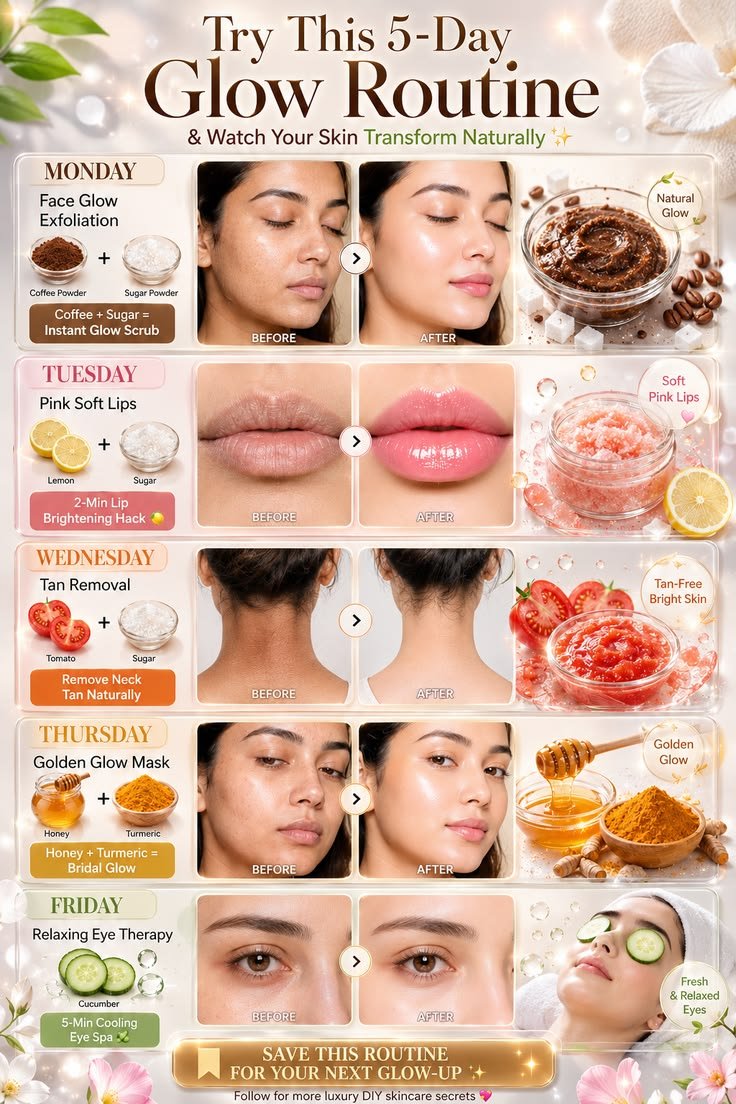
Following DIY Skincare Trends
Not every ingredient found in your kitchen is suitable for use on your skin.
Be cautious with viral DIY skincare recipes and untested beauty hacks.
How to Build a Simple Skincare Routine
If you’re a beginner, start with the basics.
Morning:
- Cleanse if appropriate for your skin.
- Apply moisturizer.
- Apply broad-spectrum sunscreen.
Evening:
- Remove makeup if necessary.
- Cleanse.
- Apply any appropriate treatment product.
- Moisturize.
You can adjust the routine according to your individual needs.
When to See a Dermatologist
Skincare products are designed primarily for cosmetic care. Persistent or concerning skin problems may require professional evaluation.
If you experience ongoing irritation, unusual changes, severe acne, or another persistent concern, consider speaking with a qualified dermatologist or healthcare professional.
Final Thoughts
Good skincare doesn’t require a complicated routine or an expensive collection of products.
Start with the basics, understand your skin, introduce new products gradually, protect your skin from the sun, and pay attention to how your skin responds.
The goal is to create a skincare routine that is practical, consistent, and appropriate for your individual needs.