Blog

  • Makeup Trends: Popular Makeup Styles and Trends to Explore

    Makeup Trends: Popular Makeup Styles and Trends to Explore

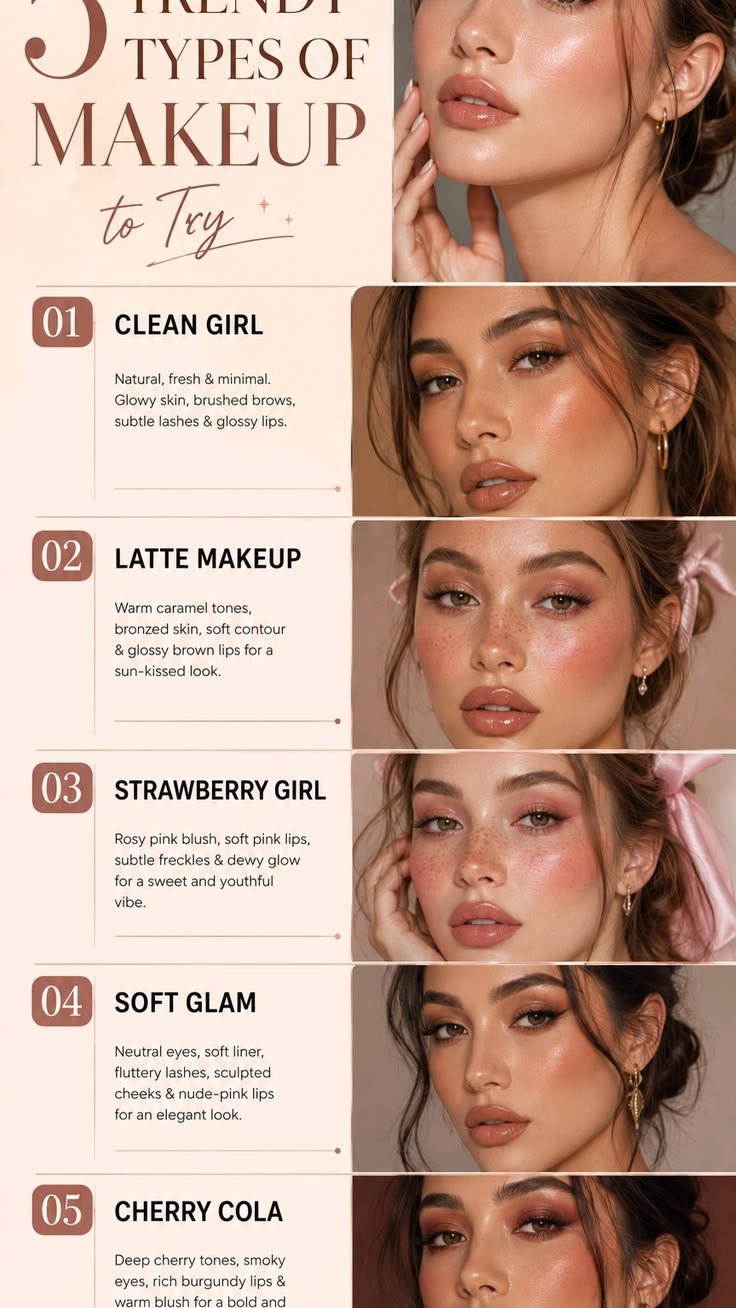
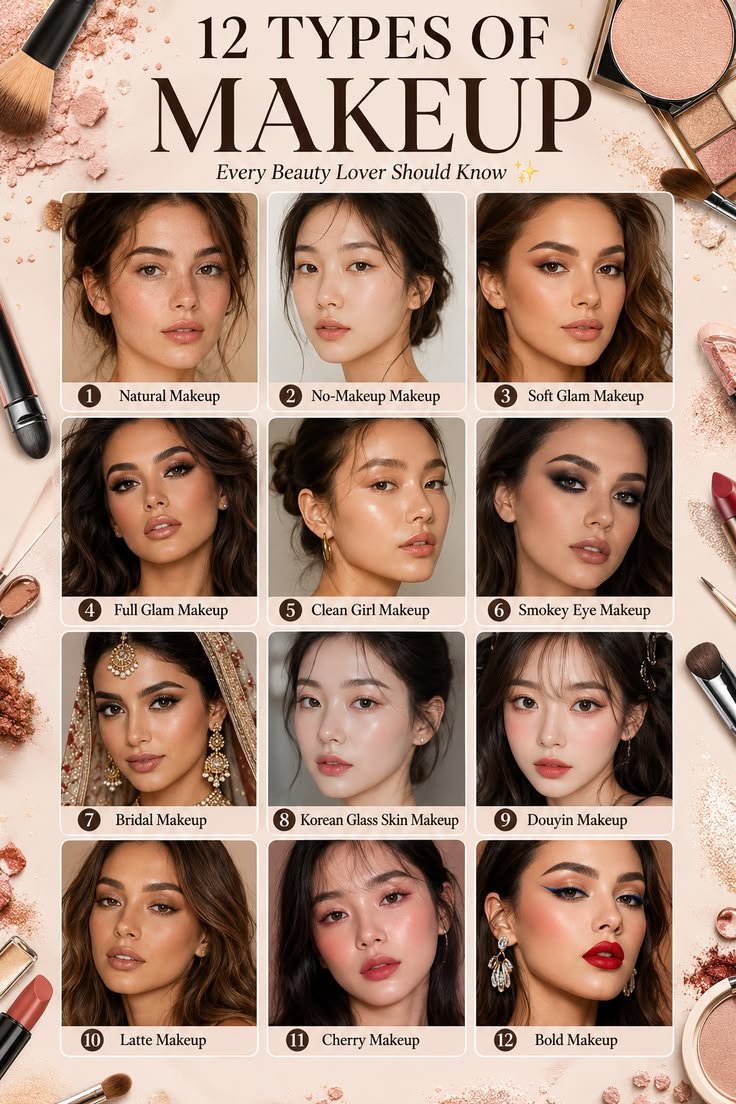
    Makeup trends change constantly. New techniques, colors, textures, and styles appear on social media, runways, beauty campaigns, and everyday makeup routines.

    Some trends become popular quickly, while others remain popular for years. Instead of following every trend, you can use them as inspiration and adapt them to your own personal style.

    What Are Makeup Trends?

    Makeup trends are popular techniques, products, colors, or styles that become widely used during a particular period.

    Trends can include:

    • New eyeshadow styles
    • Different lip finishes
    • Complexion techniques
    • Blush placement
    • Eyeliner styles
    • Makeup textures
    • Minimal makeup looks
    • Creative makeup

    1. Natural-Looking Makeup

    Natural-looking makeup focuses on creating a fresh and lightweight appearance.

    This style often uses:

    • Light foundation or skin tint
    • Soft blush
    • Minimal eye makeup
    • Natural-looking brows
    • Lip balm or subtle lip color

    The goal is generally a simple and comfortable makeup look rather than heavy coverage.

    2. Glowy Makeup

    Glowy makeup focuses on creating a luminous-looking complexion.

    It may involve:

    • Hydrating skincare
    • Lightweight complexion products
    • Cream blush
    • Subtle highlighter
    • Glossy lip products

    The key is balance. You don’t need to use multiple high-shine products to create a luminous effect.

    3. Soft Blush Looks

    Blush has become an important part of many modern makeup routines.

    Different placement techniques can create different visual effects.

    Popular options include applying blush:

    • On the cheeks
    • Slightly higher on the cheekbones
    • Across the cheeks and nose
    • In a soft, diffused layer

    Cream and liquid blushes are particularly popular because they can be blended easily.

    4. Monochromatic Makeup

    A monochromatic makeup look uses similar colors across different parts of the face.

    For example, you might use a similar shade family for:

    • Eyeshadow
    • Blush
    • Lips

    This creates a coordinated makeup look without requiring many different colors.

    5. Glossy Lips

    Glossy lips remain a popular makeup style.

    Lip gloss can create a shiny finish and can be worn alone or over lipstick.

    For a simple look, you can combine:

    Lip liner + Lip color + Gloss

    6. Soft Eyeliner

    Instead of creating a very sharp eyeliner look, soft eyeliner focuses on a more blended appearance.

    A pencil eyeliner can be gently blended along the lash line to create subtle definition.

    7. Brown Makeup Looks

    Brown and neutral shades are versatile and can work for many different makeup styles.

    Brown can be used for:

    • Eyeshadow
    • Eyeliner
    • Lip liner
    • Bronzer

    Neutral colors are also useful for beginners who are learning how to combine shades.

    8. Creative Eye Makeup

    Creative makeup allows people to experiment with colors, shapes, and artistic techniques.

    Examples include:

    • Bright eyeshadow
    • Graphic eyeliner
    • Colorful mascara
    • Decorative details
    • Unusual color combinations

    Creative makeup is particularly popular on social media because it provides an opportunity for experimentation.

    9. Minimal Makeup

    Minimal makeup focuses on using fewer products.

    A simple routine might include:

    1. Moisturizer
    2. Sunscreen
    3. Concealer
    4. Blush
    5. Mascara
    6. Lip balm

    This approach can save time while still allowing you to create a polished look.

    10. Cream Makeup Products

    Cream-based products have become popular because they can create a smooth, blendable finish.

    Common cream products include:

    • Cream blush
    • Cream bronzer
    • Cream eyeshadow
    • Cream highlighter

    They can be especially convenient when creating a simple makeup routine.

    How to Follow Makeup Trends Without Changing Your Entire Routine

    You don’t have to completely change your makeup collection every time a new trend becomes popular.

    Instead, try one trend at a time.

    For example:

    • Try a new blush technique.
    • Experiment with a different lip color.
    • Test a new eyeliner style.
    • Add one new eyeshadow color.
    • Change your makeup finish.

    This allows you to explore trends without making your routine unnecessarily complicated.

    Social Media and Makeup Trends

    Platforms such as Instagram, TikTok, YouTube, and Pinterest have made it easier for makeup techniques to spread quickly.

    A makeup style can become popular worldwide within a short period of time.

    However, online makeup tutorials often use professional lighting, cameras, filters, and editing. The final appearance may therefore look different in everyday lighting.

    How to Choose Trends That Suit You

    Not every makeup trend will match everyone’s preferences.

    Consider:

    • Your personal style
    • The occasion
    • The products you already own
    • How comfortable the technique feels
    • How much time you want to spend on makeup

    A trend is simply inspiration. You can adapt it rather than copying it exactly.

    Makeup Trends vs. Timeless Makeup

    Trendy makeup changes over time, while classic techniques remain useful.

    For example, basic skills such as:

    • Blending
    • Choosing suitable shades
    • Applying mascara
    • Creating balanced makeup
    • Removing makeup properly

    remain useful regardless of current trends.

    Final Thoughts

    Makeup trends are a fun way to discover new techniques and experiment with different styles. From natural-looking makeup and glossy lips to creative eye looks and monochromatic colors, there are many ways to explore current beauty trends.

    The best approach is to treat trends as inspiration and adapt them to your own preferences rather than feeling that you have to follow every new style.
  • Makeup Tutorial: A Step-by-Step Guide for Beginners

    Makeup Tutorial: A Step-by-Step Guide for Beginners

    Learning how to apply makeup can seem difficult at first, especially when there are so many products and techniques to choose from. The good news is that you can create a simple makeup look using just a few basic products.

    This beginner-friendly makeup tutorial walks you through each step, from preparing your skin to finishing your look.

    What You Need for a Basic Makeup Look

    You don’t need a large makeup collection to get started.

    For this tutorial, you can use:

    • Moisturizer
    • Sunscreen for daytime
    • Foundation or tinted moisturizer
    • Concealer
    • Blush
    • Eyeshadow
    • Eyeliner or eye pencil
    • Mascara
    • Lip balm, gloss, or lipstick
    • Makeup brushes or a sponge

    You can skip any product you don’t want to use.

    Step 1: Prepare Your Skin

    Start with clean skin.

    Gently cleanse your face and apply a suitable moisturizer. If you’re doing your makeup during the day, apply sunscreen after your skincare products.

    Allow the products to settle before starting your makeup.

    Basic order:

    Cleanser → Moisturizer → Sunscreen → Makeup

    Step 2: Apply Foundation

    Apply a small amount of foundation to the areas where you want coverage.

    You can use:

    • A makeup sponge
    • A foundation brush
    • Your fingertips, depending on the product

    Blend the foundation gradually instead of applying a thick layer immediately.

    The goal is to create an even-looking base while keeping the makeup comfortable.

    Step 3: Apply Concealer

    Use concealer only where additional coverage is needed.

    Common areas include:

    • Under the eyes
    • Around the nose
    • Small blemishes

    Apply a small amount and blend gently.

    Step 4: Set Your Base

    If you want a more matte finish or need additional staying power, you can apply a small amount of setting powder.

    Focus on areas where makeup tends to become shiny.

    You don’t necessarily need powder across your entire face.

    Step 5: Apply Blush

    Blush can add color and dimension to your makeup look.

    Start with a small amount and build gradually.

    Powder, cream, and liquid blushes are all available, so you can choose the texture you find easiest to work with.

    Step 6: Apply Eyeshadow

    For a simple beginner eye look, choose two or three shades.

    Light Shade

    Apply a light shade over the eyelid or inner corner.

    Medium Shade

    Use a medium shade in the crease or outer portion of the eyelid.

    Darker Shade

    Apply a small amount of a darker shade to the outer corner if you want more definition.

    Blend the shades together using gentle movements.

    Step 7: Apply Eyeliner

    Eyeliner can help define the eyes.

    If you’re a beginner, start with a pencil eyeliner because it can be easier to control.

    You don’t need a dramatic line. A thin line close to the lashes can create a simple look.

    Step 8: Apply Mascara

    Carefully apply mascara to your upper lashes.

    Start near the base of the lashes and move the wand toward the tips.

    Avoid applying too many layers, especially if you prefer a natural-looking result.

    Step 9: Apply Lip Product

    Finish your makeup with a lip product.

    You can choose:

    • Lip balm
    • Lip gloss
    • Lip tint
    • Lipstick

    For a simple everyday look, a tinted balm or gloss can be an easy choice.

    Step 10: Check Your Makeup

    Take a moment to look at your makeup in good lighting.

    Check whether:

    • Your foundation is blended
    • Your concealer looks even
    • Your blush is balanced
    • Your eyeshadow is blended
    • Your lipstick or gloss is evenly applied

    If something looks too strong, blend it rather than immediately adding more product.

    Simple Everyday Makeup Tutorial

    If you want an even quicker routine, try this:

    1. Moisturizer
    2. Sunscreen
    3. Concealer
    4. Blush
    5. Mascara
    6. Lip balm or gloss

    This can take only a few minutes once you’re familiar with the steps.

    Beginner Makeup Tips

    Start With Less

    It’s easier to add makeup than to remove too much.

    Blend Everything Carefully

    Blending is one of the most important skills in makeup application.

    Use Good Lighting

    Natural light can make it easier to see how your makeup actually looks.

    Clean Your Tools

    Clean brushes and makeup sponges regularly to maintain good makeup hygiene.

    Don’t Compare Your Results

    Makeup is a creative skill. Everyone develops their own technique and style through practice.

    How to Remove Makeup

    At the end of the day, remove your makeup before going to sleep.

    A simple routine is:

    Makeup remover → Gentle cleanser → Moisturizer

    Be especially gentle around the eye area.

    Final Thoughts

    A good makeup routine doesn’t have to be complicated. Start with a few essential products, learn the basic techniques, and practice gradually.

    Once you’re comfortable with the fundamentals, you can experiment with different colors, finishes, and makeup styles to create looks that suit your personal preferences.

  • Makeup Tips: 20 Simple Makeup Tips for Beginners

    Makeup Tips: 20 Simple Makeup Tips for Beginners

    Makeup doesn’t have to be complicated. With the right techniques and a few simple habits, you can create a comfortable and polished makeup look without using dozens of products.

    Whether you’re completely new to makeup or simply want to improve your routine, these makeup tips can help you get better results and make your makeup application easier.

    1. Start With Clean Skin

    Before applying makeup, gently cleanse your face to remove excess oil, dirt, and leftover products.

    A clean base can make makeup application more comfortable.

    2. Moisturize Before Makeup

    Applying a suitable moisturizer before makeup can help your skin feel comfortable and provide a smoother base.

    Allow your skincare products a little time to settle before applying makeup.

    3. Don’t Skip Sunscreen

    During the daytime, sunscreen should generally be applied before makeup.

    A simple order is:

    Skincare → Sunscreen → Makeup

    4. Use a Small Amount of Foundation

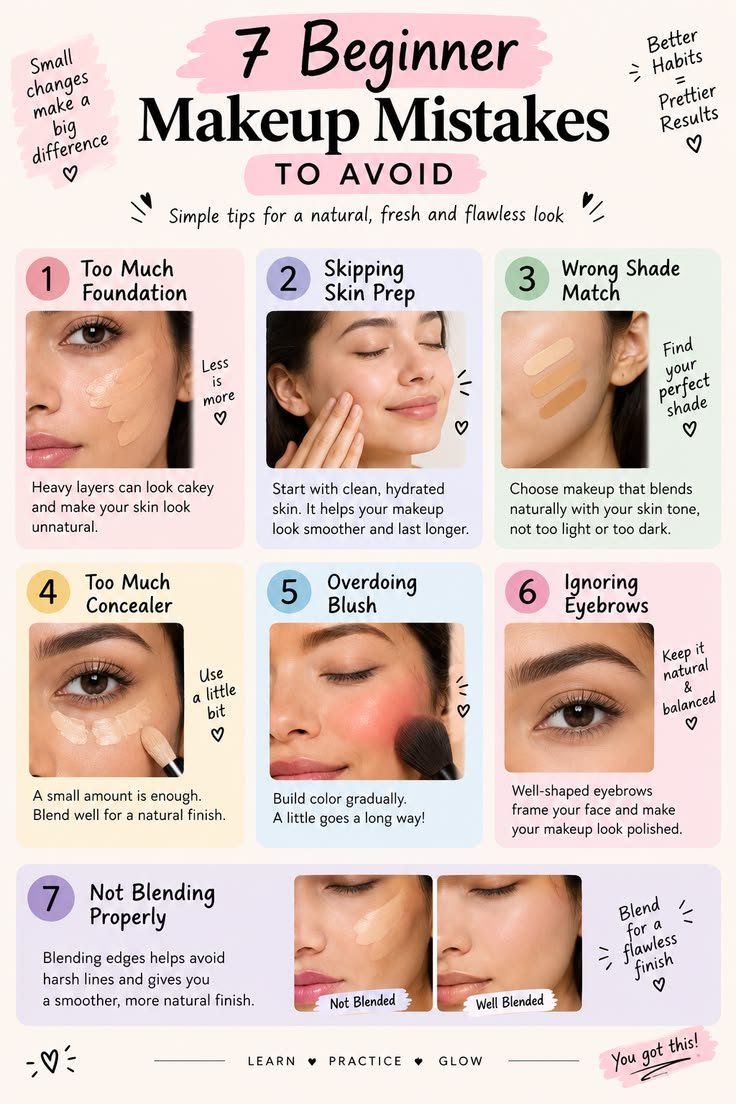
    Start with a small amount of foundation and build coverage gradually.

    Applying too much at once can make the makeup look heavier than intended.

    5. Choose the Right Foundation Shade

    Test foundation carefully and choose a shade that blends naturally with your complexion.

    If possible, check the shade in natural lighting.

    6. Apply Concealer Where You Need It

    Concealer doesn’t have to cover your entire face.

    Apply a small amount to areas where you want additional coverage and blend gently.

    7. Blend Your Makeup

    One of the most useful makeup techniques is blending.

    Whether you’re applying foundation, concealer, blush, or eyeshadow, blending can help create a smoother result.

    8. Build Makeup Gradually

    Instead of applying a large amount of product immediately, start with a thin layer.

    You can always add more if you want additional coverage or intensity.

    9. Use the Right Makeup Tools

    Different tools can create different results.

    Common options include:

    • Makeup brushes
    • Makeup sponges
    • Powder puffs
    • Your fingertips for certain products

    Experiment to discover which method works best for each product.

    10. Don’t Forget Your Neck

    When using complexion products, make sure there isn’t an obvious difference between your face and neck.

    Blending carefully can help create a more consistent appearance.

    11. Keep Your Makeup Brushes Clean

    Makeup brushes should be cleaned regularly.

    Dirty brushes can collect product residue and oils, so regular cleaning is an important part of makeup hygiene.

    12. Apply Blush Lightly

    Blush can add color to a makeup look.

    Start with a small amount and build gradually rather than applying too much at once.

    13. Use Neutral Eyeshadow for Beginners

    If you’re learning eye makeup, neutral shades can be an easy place to start.

    Try combining:

    • A light shade
    • A medium transition shade
    • A slightly darker shade

    Once you’re comfortable, you can experiment with brighter colors.

    14. Don’t Forget to Blend Eyeshadow

    Harsh transitions between eyeshadow colors can make a look appear less smooth.

    Use a clean blending brush and gentle movements to soften transitions.

    15. Use Eyeliner Carefully

    If you’re new to eyeliner, start with a pencil because it can be easier to control.

    You can gradually experiment with gel or liquid eyeliner as you become more comfortable.

    16. Apply Mascara From the Base of the Lashes

    Apply mascara carefully from the base toward the tips of the lashes.

    Avoid repeatedly pumping the mascara wand in and out of the tube, as this can introduce more air into the product.

    17. Keep Lip Products Comfortable

    Before lipstick or lip color, you can use a lip balm if your lips feel dry.

    For a simple everyday look, a tinted balm or gloss can be an easy option.

    18. Check Your Makeup in Good Lighting

    Lighting can change how makeup appears.

    Natural light can be useful when checking:

    • Foundation
    • Concealer
    • Blush
    • Contour
    • Eyeshadow

    19. Remove Makeup Before Bed

    Makeup should generally be removed at the end of the day.

    A simple evening routine can include:

    Makeup removal → Gentle cleanser → Moisturizer

    20. Practice Is More Important Than Perfection

    Makeup is a skill that improves with practice.

    Your first attempts may not look exactly how you imagined, and that’s completely normal. Experiment with different techniques and gradually find what suits your personal style.

    Bonus Makeup Tips for Beginners

    Here are a few additional habits that can make your routine easier:

    • Check product expiration information.
    • Don’t share eye makeup.
    • Replace makeup products when recommended.
    • Keep your makeup tools clean.
    • Introduce new products gradually.
    • Store products according to their instructions.
    • Remove makeup before sleeping.

    Final Thoughts

    Good makeup doesn’t require a huge collection of products. Learning a few basic techniques—such as blending, building coverage gradually, choosing suitable shades, and keeping your tools clean—can make a big difference.

    The best makeup routine is one that fits your preferences, feels comfortable, and allows you to express your personal style.

  • Makeup: A Complete Beginner’s Guide to Makeup

    Makeup: A Complete Beginner’s Guide to Makeup

    Makeup is a popular part of beauty and self-expression. From simple everyday looks to creative styles, makeup can be used in many different ways depending on personal preferences and occasions.

    For beginners, the number of products and techniques available can seem overwhelming. This guide explains the basics of makeup, the most common products, and how to create a simple makeup routine.

    What Is Makeup?

    Makeup refers to cosmetic products used to enhance, define, or change the appearance of different areas of the face.

    Common makeup products include:

    • Foundation
    • Concealer
    • Powder
    • Blush
    • Bronzer
    • Highlighter
    • Eyeshadow
    • Eyeliner
    • Mascara
    • Lip products

    You don’t need to use all of these products. A simple makeup routine can contain just a few essentials.

    Why Do People Wear Makeup?

    People use makeup for many different reasons.

    Some enjoy it as a form of:

    • Self-expression
    • Creativity
    • Personal style
    • Experimentation
    • Special-event preparation
    • Everyday grooming

    There is no single correct way to wear makeup. The goal is to choose what makes you feel comfortable and suits your personal preferences.

    Basic Makeup Products for Beginners

    Foundation

    Foundation is used to create a more even-looking complexion.

    It comes in different forms, including:

    • Liquid
    • Cream
    • Powder
    • Stick

    Choose a formula based on your preferred finish and how it feels on your skin.

    Concealer

    Concealer is generally more concentrated than foundation and can be used on specific areas.

    It is commonly used to help create a more even-looking appearance around areas such as blemishes or under the eyes.

    Powder

    Powder can help reduce excess shine and set certain makeup products.

    It can be especially useful if you prefer a more matte finish.

    Blush

    Blush adds color to the cheeks and can create a fresh, lively appearance.

    It is available in powder, cream, and liquid formulas.

    Bronzer

    Bronzer is commonly used to add warmth to the complexion.

    It can be applied lightly to areas where you want a warmer-looking finish.

    Highlighter

    Highlighter is designed to add light-reflecting effects to selected areas of the face.

    Common application areas include:

    • Cheekbones
    • Brow bone
    • Inner corners of the eyes
    • Bridge of the nose

    Eye Makeup

    Eye makeup can dramatically change the overall appearance of a look.

    Eyeshadow

    Eyeshadow comes in many colors and finishes, including:

    • Matte
    • Shimmer
    • Satin
    • Metallic

    Beginners can start with neutral shades before experimenting with more colorful combinations.

    Eyeliner

    Eyeliner can help define the eyes.

    It is available as:

    • Pencil
    • Gel
    • Liquid
    • Felt-tip pen

    Mascara

    Mascara is commonly used to enhance the appearance of eyelashes.

    It can help make lashes look darker and more defined.

    Lip Makeup

    Lip products come in many forms.

    Popular options include:

    • Lip balm
    • Lip gloss
    • Lip liner
    • Lipstick
    • Lip tint

    For an everyday look, a tinted lip balm or gloss can be a simple option.

    A Simple Makeup Routine for Beginners

    If you’re new to makeup, you don’t need a complicated routine.

    Try this basic order:

    1. Start with clean, moisturized skin.
    2. Apply sunscreen during the daytime.
    3. Apply foundation if desired.
    4. Use concealer where needed.
    5. Apply blush.
    6. Add light eye makeup.
    7. Apply mascara.
    8. Finish with a lip product.

    You can skip any step you don’t need.

    How to Make Makeup Last Longer

    Several simple habits can help makeup stay comfortable throughout the day.

    Prepare Your Skin

    Clean and moisturized skin can provide a better base for makeup.

    Avoid Applying Too Much

    Building makeup gradually can help create a more natural-looking finish.

    Set Makeup When Needed

    A small amount of setting powder or setting spray can help certain makeup products last longer.

    Avoid Touching Your Face

    Frequent touching can transfer or remove makeup.

    Makeup and Skin Care

    Good skincare habits can complement your makeup routine.

    Always remove makeup before going to sleep and cleanse your skin gently.

    Keeping makeup tools clean is also important. Brushes and sponges can collect product residue, oil, and other debris over time.

    How Often Should You Clean Makeup Brushes?

    Makeup brushes should be cleaned regularly, especially when they’re used frequently.

    A simple routine is:

    1. Wet the brush with lukewarm water.
    2. Apply a gentle cleanser or brush cleaner.
    3. Work the product through the bristles.
    4. Rinse thoroughly.
    5. Remove excess water.
    6. Leave the brush to dry completely.

    Avoid sharing makeup products or tools that come into direct contact with the face or eyes.

    Common Makeup Mistakes

    Using the Wrong Foundation Shade

    Choose a shade that blends naturally with your complexion rather than relying only on the color shown on packaging.

    Applying Too Much Product

    More makeup isn’t necessarily better. Start with a small amount and build gradually.

    Ignoring Makeup Hygiene

    Clean brushes and properly stored products are important parts of a good makeup routine.

    Sleeping With Makeup On

    Removing makeup before bed helps keep your skincare routine clean and simple.

    Makeup for Different Occasions

    Your makeup routine can change depending on the situation.

    Everyday Makeup

    A simple look might include:

    • Concealer
    • Blush
    • Mascara
    • Lip balm or gloss

    Work or School Makeup

    A natural, lightweight routine can be practical for everyday activities.

    Special Events

    You may choose more defined eye makeup, stronger lip color, or additional complexion products for an event.

    Creative Makeup

    Creative makeup can involve bold colors, unusual combinations, or artistic designs.

    Final Thoughts

    Makeup doesn’t have to be complicated. Whether you prefer a minimal everyday routine or enjoy experimenting with creative looks, the most important thing is finding products and techniques that suit your personal style.

    Start with a few basic products, practice different techniques, and gradually discover what works best for you.

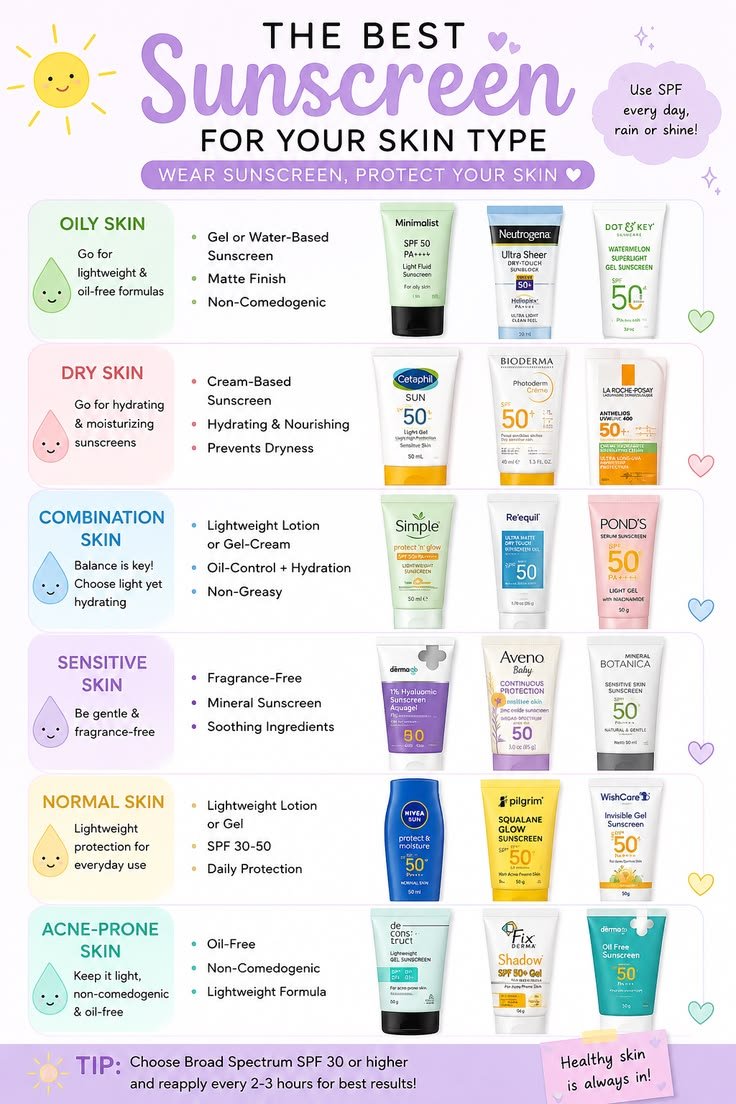
  • Sunscreen: A Complete Guide to Choosing and Using Sunscreen

    Sunscreen: A Complete Guide to Choosing and Using Sunscreen

    Sunscreen is an important part of a daily skincare routine. It helps protect the skin from ultraviolet (UV) radiation from the sun and can help reduce sunburn and long-term sun-related skin damage.

    With many different sunscreen formulas available, choosing the right one can sometimes be confusing. This guide explains how sunscreen works, what SPF means, how to choose a product, and how to use it correctly.

    What Is Sunscreen?

    Sunscreen is a skincare product designed to protect the skin from UV radiation.

    Depending on the formula, sunscreen can contain filters that absorb, reflect, or scatter UV radiation before it reaches the skin.

    Sunscreens are commonly available as:

    • Creams
    • Lotions
    • Gels
    • Sticks
    • Sprays
    • Lightweight fluids

    The best format is often the one you can apply comfortably and consistently.

    Why Is Sunscreen Important?

    Regular sun protection can help:

    • Reduce the risk of sunburn
    • Protect against UV-related skin damage
    • Reduce premature skin aging caused by UV exposure
    • Help maintain an even-looking complexion

    UV exposure can occur even when the weather isn’t particularly hot or sunny, so sun protection can be useful throughout the year.

    What Does SPF Mean?

    SPF stands for Sun Protection Factor.

    It primarily indicates the level of protection a sunscreen provides against UVB radiation, which is strongly associated with sunburn.

    Common SPF levels include:

    • SPF 15
    • SPF 30
    • SPF 50

    A higher SPF does not mean you can apply sunscreen less frequently. Correct application and reapplication remain important.

    What Is Broad-Spectrum Sunscreen?

    A broad-spectrum sunscreen is designed to provide protection against both UVA and UVB radiation.

    UVA and UVB are different types of ultraviolet radiation, and both can affect the skin.

    When choosing sunscreen, looking for broad-spectrum protection is an important consideration.

    How to Choose the Right Sunscreen

    For Dry Skin

    A moisturizing sunscreen may feel more comfortable if your skin tends to feel dry.

    Look for formulas containing moisturizing ingredients such as:

    • Glycerin
    • Ceramides
    • Hyaluronic acid

    For Oily Skin

    A lightweight gel, fluid, or non-greasy formula may feel more comfortable.

    Look for products described as:

    • Lightweight
    • Oil-free
    • Non-comedogenic

    For Sensitive Skin

    If your skin is sensitive, you may prefer a simple, fragrance-free formula.

    Mineral sunscreens containing zinc oxide or titanium dioxide can also be an option for people who find some chemical sunscreen formulas irritating.

    How Much Sunscreen Should You Use?

    One of the most common sunscreen mistakes is applying too little.

    For the face and exposed areas, use enough product to provide the protection stated on the label. A commonly used practical guide is the two-finger method for the face and neck, although the exact amount depends on the product and the area being covered.

    Don’t forget commonly missed areas such as:

    • Ears
    • Neck
    • Hairline
    • Hands

    When Should You Apply Sunscreen?

    Sunscreen should generally be the final step of your morning skincare routine.

    A simple order is:

    Cleanser → Serum → Moisturizer → Sunscreen

    For outdoor activities, apply sunscreen before going outside according to the product’s directions.

    How Often Should You Reapply Sunscreen?

    Sunscreen can wear off through:

    • Sweating
    • Swimming
    • Toweling
    • Rubbing
    • Extended outdoor activity

    Reapply according to the product instructions, especially after swimming or heavy sweating.

    If you spend a lot of time outdoors, regular reapplication is particularly important.

    Sunscreen on Cloudy Days

    UV radiation can still reach the Earth’s surface on cloudy days.

    That means sunscreen can still be useful when the sky isn’t completely clear.

    Other forms of sun protection can also help, including:

    • Wearing protective clothing
    • Seeking shade
    • Wearing a hat
    • Using sunglasses

    Sunscreen and Makeup

    Sunscreen should generally be applied before makeup.

    A simple routine can be:

    1. Cleanse
    2. Apply skincare products
    3. Apply moisturizer if needed
    4. Apply sunscreen
    5. Apply makeup

    Some makeup products contain SPF, but they may not provide enough protection on their own if too little product is applied.

    Common Sunscreen Mistakes

    Applying Too Little

    Using an insufficient amount can reduce the protection you receive.

    Forgetting Reapplication

    Even a good sunscreen becomes less effective when it wears off.

    Forgetting the Neck and Ears

    These areas can receive significant sun exposure but are often overlooked.

    Relying Only on Sunscreen

    Sunscreen is only one part of sun protection. Shade, clothing, hats, and sunglasses can provide additional protection.

    Sunscreen and Skincare

    Sunscreen can work alongside a simple skincare routine.

    A basic morning routine could be:

    Cleanser → Moisturizer → Sunscreen

    If you use a serum:

    Cleanser → Serum → Moisturizer → Sunscreen

    You don’t need a complicated routine to practice good sun protection.

    Final Thoughts

    Sunscreen is one of the simplest ways to protect your skin from UV exposure. Choosing a broad-spectrum product with a suitable SPF, applying enough, and reapplying when necessary can make sun protection a consistent part of your skincare routine.

    The most important sunscreen is one you can comfortably use correctly and consistently.

  • Face Serum: A Complete Guide to Choosing and Using Face Serums

    Face Serum: A Complete Guide to Choosing and Using Face Serums

    A face serum is a concentrated skincare product designed to deliver specific ingredients to the skin. Depending on its formula, a serum may focus on hydration, skin texture, brightness, or other skincare goals.

    Because there are many different types of serums available, understanding their ingredients and how to use them can help you build a simple and effective skincare routine.

    What Is a Face Serum?

    A face serum is usually a lightweight skincare product containing a higher concentration of certain active or functional ingredients than a basic moisturizer.

    Serums can have different textures, including:

    • Lightweight liquids
    • Gel-like formulas
    • Milky emulsions
    • Water-based formulas
    • Oil-based formulas

    The right serum depends on your individual skincare needs and how your skin responds to different ingredients.

    Why Use a Face Serum?

    A serum can complement a basic skincare routine by targeting a particular concern.

    For example, different formulas may be designed to support:

    • Hydration
    • Skin texture
    • Skin barrier care
    • Even-looking skin tone
    • Healthy-looking skin
    • Overall skin comfort

    You don’t necessarily need several serums. One well-chosen product can be enough for a simple routine.

    Popular Types of Face Serums

    Hyaluronic Acid Serum

    Hyaluronic acid is commonly used in hydrating skincare products.

    It helps attract and retain water, making it a popular ingredient for people who want their skin to feel more hydrated and comfortable.

    Niacinamide Serum

    Niacinamide, also known as vitamin B3, is widely used in skincare.

    It can be found in formulas designed to support the skin barrier and improve the appearance of uneven-looking skin.

    Vitamin C Serum

    Vitamin C is an antioxidant commonly included in skincare products.

    Vitamin C serums are often used as part of routines focused on maintaining a bright, even-looking complexion.

    Salicylic Acid Serum

    Salicylic acid is commonly used in products designed for blemish-prone skin.

    Because active ingredients can sometimes cause irritation, it’s important to follow the product’s directions and avoid using too many strong products at once.

    How to Choose a Face Serum

    Before buying a serum, consider what you actually want from the product.

    For Hydration

    Look for ingredients such as:

    • Hyaluronic acid
    • Glycerin
    • Panthenol

    For Skin Barrier Support

    Ingredients such as niacinamide and ceramides may be included in products designed to support the skin barrier.

    For Uneven-Looking Skin

    Some serums contain ingredients such as vitamin C or niacinamide.

    However, results can take time, and consistency is usually more important than using many products.

    How to Apply Face Serum

    A simple routine could look like this:

    1. Cleanse your face gently.
    2. Apply your serum according to the product instructions.
    3. Apply moisturizer.
    4. In the morning, finish with sunscreen.

    Usually, only a small amount of serum is needed.

    Avoid getting skincare products into your eyes unless the product is specifically designed for that area.

    Can You Use Face Serum Every Day?

    It depends on the serum.

    Hydrating serums are often suitable for frequent use, while formulas containing stronger active ingredients may need to be used less often.

    Always follow the instructions on the specific product.

    If you are introducing a new active ingredient, start gradually and pay attention to how your skin responds.

    Face Serum vs. Moisturizer

    Although both products can be part of the same routine, they serve different purposes.

    Face serum: Usually focuses on delivering specific ingredients and targeting particular skincare needs.

    Moisturizer: Helps maintain hydration and supports the skin barrier.

    For many people, using a serum followed by a moisturizer can be a simple combination.

    Common Face Serum Mistakes

    Using Too Many Serums

    More products don’t automatically mean better skincare.

    Using several active ingredients at the same time can make a routine unnecessarily complicated and may increase the chance of irritation.

    Applying Too Much

    A few drops are often enough. Using a large amount doesn’t necessarily improve results.

    Ignoring Sunscreen

    If you’re using a serum as part of a morning skincare routine, sunscreen is still an important final step.

    Introducing Multiple New Products at Once

    If you change several products simultaneously, it can be difficult to identify which product is causing irritation if your skin reacts.

    Introducing products one at a time can make your routine easier to understand.

    Should You Use Serum Before or After Moisturizer?

    In a typical skincare routine, serum is generally applied before moisturizer.

    A simple order is:

    Cleanser → Serum → Moisturizer → Sunscreen

    However, product instructions can vary, so always check the directions provided with your serum.

    How Long Does a Face Serum Take to Work?

    The answer depends on the serum, its ingredients, and what you’re trying to improve.

    Hydrating products may make the skin feel more comfortable relatively quickly, while changes in skin texture or appearance can take longer.

    Skincare usually requires consistency rather than expecting immediate results.

    Final Thoughts

    A face serum can be a useful addition to a skincare routine when you choose one based on your actual needs.

    You don’t need a complicated collection of products. A gentle cleanser, suitable serum, moisturizer, and sunscreen can form a straightforward routine.

    Choose ingredients carefully, introduce new products gradually, and give your routine time to work.

  • Moisturizer: A Complete Guide to Choosing and Using the Right Moisturizer

    Moisturizer: A Complete Guide to Choosing and Using the Right Moisturizer

    A good moisturizer is one of the most important products in a simple skincare routine. It helps support the skin barrier, reduce dryness, and keep the skin feeling comfortable and hydrated.

    With so many creams, lotions, gels, and formulas available, choosing the right moisturizer can sometimes feel confusing. This guide explains what moisturizer does, how to choose one, and how to use it effectively.

    What Is a Moisturizer?

    A moisturizer is a skincare product designed to help maintain the skin’s moisture and support its natural protective barrier.

    Moisturizers can contain different types of ingredients, including:

    • Humectants, which help attract water to the skin
    • Emollients, which help soften and smooth the skin
    • Occlusives, which help reduce moisture loss

    Different formulas are designed for different skin types and preferences.

    Why Is Moisturizer Important?

    Using a moisturizer regularly can help your skin feel:

    • Softer
    • Smoother
    • More comfortable
    • Less dry
    • Better protected from everyday environmental factors

    Moisturizer can also help support the skin barrier, which plays an important role in maintaining healthy-looking skin.

    How to Choose a Moisturizer

    The best moisturizer depends on your skin type, climate, and personal preferences.

    Moisturizer for Dry Skin

    If your skin often feels dry or tight, you may prefer a richer cream containing moisturizing ingredients such as:

    • Glycerin
    • Ceramides
    • Hyaluronic acid
    • Shea butter

    Cream-based moisturizers are often more suitable for skin that needs extra moisture.

    Moisturizer for Oily Skin

    People with oily skin may prefer lightweight products such as:

    • Gel moisturizers
    • Lightweight lotions
    • Oil-free formulas

    A moisturizer can still be useful for oily skin because hydration and oil production are not the same thing.

    Moisturizer for Combination Skin

    Combination skin may benefit from a lightweight moisturizer that provides hydration without feeling overly heavy.

    You can also adjust how much product you use depending on which areas of your face feel drier.

    Moisturizer for Sensitive Skin

    For sensitive skin, a simple formula with fewer potentially irritating ingredients may be preferable.

    Look for products labeled fragrance-free if fragrance tends to irritate your skin.

    How to Use Moisturizer

    A basic skincare routine can be very simple.

    Morning

    1. Cleanse your face gently.
    2. Apply any skincare products you normally use.
    3. Apply moisturizer.
    4. Finish with sunscreen.

    Evening

    1. Cleanse your face.
    2. Apply your skincare products.
    3. Apply moisturizer.

    You generally don’t need a large amount. A small, even layer is usually enough.

    When Should You Apply Moisturizer?

    Moisturizer can be applied after cleansing and other water-based skincare products.

    Applying it while the skin is slightly damp can help reduce the feeling of dryness and help keep moisture in the skin.

    Common Moisturizer Mistakes

    Using Too Much Product

    More moisturizer does not necessarily mean better results. Using a reasonable amount is usually sufficient.

    Choosing Based Only on Marketing

    Words such as “luxury,” “natural,” or “advanced” don’t automatically mean a product is right for your skin.

    Focus on the formula and how your skin responds.

    Skipping Moisturizer Because Your Skin Is Oily

    Oily skin can still benefit from hydration. A lightweight formula may be more comfortable than a rich cream.

    Changing Products Too Frequently

    Trying a new product every few days can make it difficult to understand what works for your skin.

    Give your routine some consistency and introduce new products carefully.

    What Ingredients Should You Look For?

    Some commonly used moisturizing ingredients include:

    Glycerin: A humectant that helps attract water.

    Hyaluronic acid: A hydrating ingredient commonly found in lightweight skincare formulas.

    Ceramides: Lipids that help support the skin barrier.

    Shea butter: A richer emollient often used in moisturizers designed for dry skin.

    Squalane: An emollient commonly used to help soften the skin.

    Can You Use Moisturizer Every Day?

    Yes. Moisturizer can be part of a daily skincare routine, both in the morning and evening.

    The key is choosing a formula that feels comfortable and suits your skin’s needs.

    Moisturizer vs. Face Cream: What’s the Difference?

    “Moisturizer” is a broad term for products designed to hydrate and protect the skin from excessive moisture loss.

    A face cream is one type of moisturizer. Other types include:

    • Lotions
    • Gels
    • Emulsions
    • Balms

    The texture is often more important for comfort and personal preference than the name on the packaging.

    Final Thoughts

    Moisturizer doesn’t need to make your skincare routine complicated. The right product can help maintain hydration, support the skin barrier, and keep your skin feeling comfortable.

    Start with your skin’s needs, choose a suitable texture, and keep your routine simple and consistent.

    If you have persistent irritation, significant dryness, or another ongoing skin concern, consider speaking with a dermatologist or other qualified healthcare professional.

  • Facial Care: A Simple Guide to Taking Care of Your Face

    Facial Care: A Simple Guide to Taking Care of Your Face

    Taking care of your face doesn’t have to mean using a long list of expensive products. A simple facial care routine can help you keep your skin clean, moisturized, and protected.

    The right routine depends on your skin type, lifestyle, environment, and individual needs.

    What Is Facial Care?

    Facial care refers to the habits and products used to care for the skin on your face.

    A basic routine usually includes:

    • Cleansing
    • Moisturizing
    • Sun protection

    Other products, such as serums or exfoliators, can be added depending on your specific needs.

    1. Cleanse Your Face Gently

    Cleansing is one of the basic steps of facial care.

    A suitable cleanser can help remove dirt, excess oil, sweat, makeup, and other residue.

    Avoid scrubbing your face aggressively. A gentle approach is generally better for maintaining comfortable skin.

    2. Moisturize Regularly

    Moisturizing helps support the skin barrier and can reduce feelings of dryness or tightness.

    There are many types of moisturizers available, from lightweight lotions and gels to richer creams.

    Choose a formula that suits your skin and preferences.

    3. Use Sunscreen During the Day

    Sun protection is an essential part of facial care.

    Ultraviolet radiation can contribute to sunburn and long-term skin damage. A broad-spectrum sunscreen can help protect exposed skin.

    Follow the product’s instructions for application and reapplication.

    4. Remove Makeup Before Bed

    If you wear makeup, make removing it part of your evening routine.

    Use an appropriate makeup remover or cleanser and avoid rubbing the skin excessively.

    After removing makeup, continue with your normal cleansing and moisturizing routine.

    5. Understand Your Skin Type

    Knowing how your skin behaves can make product selection easier.

    Oily Skin

    Oily skin tends to produce more sebum and may look shiny.

    Dry Skin

    Dry skin may feel tight, rough, or uncomfortable.

    Combination Skin

    Combination skin can have both oily and dry areas.

    Sensitive Skin

    Sensitive skin may react more easily to certain products or environmental conditions.

    Remember that these are general categories, and individual skin can be more complex.

    6. Don’t Over-Exfoliate

    Exfoliation can help remove dead skin cells from the surface of the skin.

    However, doing it too frequently can cause irritation.

    Follow the instructions for your exfoliating product and avoid combining multiple strong exfoliating products without understanding how they work together.

    7. Choose Facial Products Carefully

    When shopping for facial care products, look beyond attractive packaging and marketing claims.

    Consider:

    • Ingredients
    • Product purpose
    • Your skin type
    • Directions for use
    • Potential sensitivities
    • Your budget

    A more expensive product isn’t automatically a better choice.

    8. Keep Your Face-Touching Habits in Check

    Your hands come into contact with many surfaces throughout the day.

    Washing your hands regularly and avoiding unnecessary face touching can be a simple addition to your personal-care habits.

    9. Keep Your Beauty Tools Clean

    If you use makeup brushes, sponges, facial tools, or other reusable products, clean them regularly.

    Follow the appropriate cleaning instructions for each tool.

    10. Don’t Copy Someone Else’s Routine

    A facial care routine that works for someone on social media may not work for you.

    Different people have different skin characteristics, environments, and product preferences.

    Use online routines as inspiration rather than assuming they are universal recommendations.

    Morning Facial Care Routine

    A simple morning routine could look like this:

    1. Gentle cleansing, if appropriate.
    2. Moisturizer.
    3. Broad-spectrum sunscreen.
    4. Makeup, if you choose to wear it.

    Evening Facial Care Routine

    At night, you can follow a simple routine:

    1. Remove makeup if necessary.
    2. Cleanse your face.
    3. Apply appropriate treatment products.
    4. Moisturize.

    The exact products and frequency should depend on your individual needs and the instructions on each product.

    When to Seek Professional Advice

    Not every facial concern can be solved with cosmetic products.

    If you experience persistent irritation, severe acne, unusual changes, or another ongoing concern, consider speaking with a qualified dermatologist or healthcare professional.

    Final Thoughts

    Good facial care doesn’t have to be complicated.

    Start with the basics: cleanse gently, moisturize, protect your skin from the sun, and choose products that suit your individual needs.

    Consistency is more important than having a large collection of skincare products. A simple routine that you can maintain every day can be a practical foundation for long-term facial care.

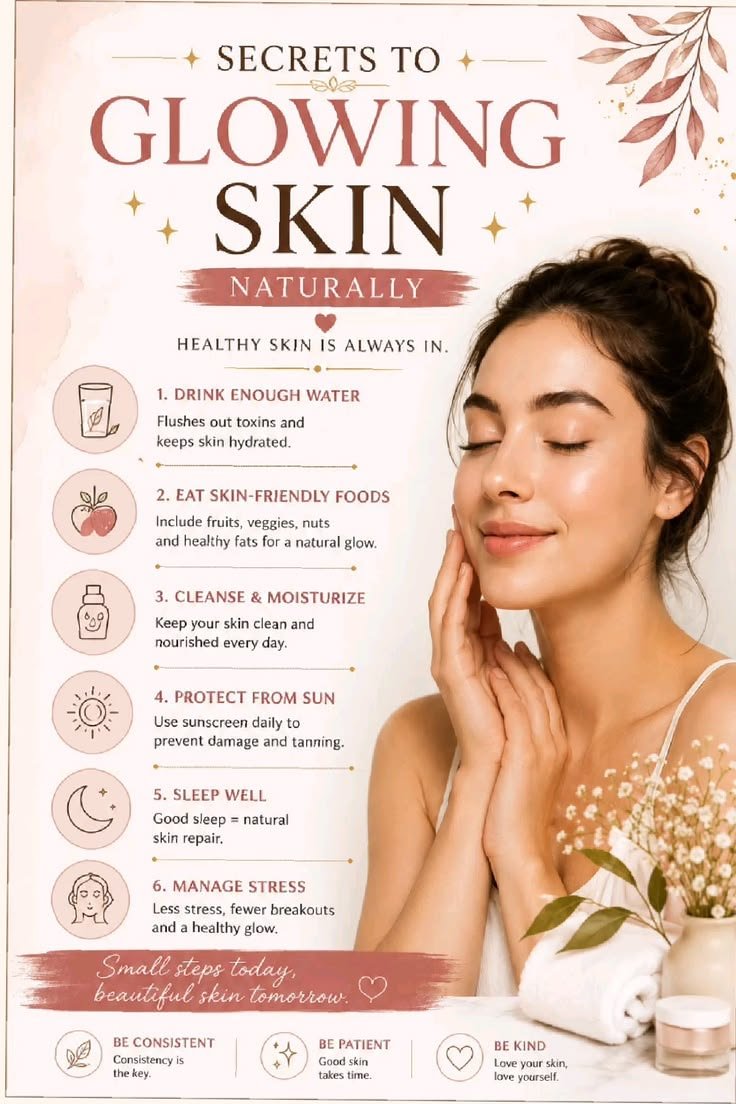
  • Skin Health: A Complete Guide to Supporting Healthy Skin

    Skin Health: A Complete Guide to Supporting Healthy Skin

    Skin is the body’s largest organ, and taking care of it is an important part of overall health and personal care.

    Good skin health isn’t about having perfectly smooth or flawless skin. Skin naturally has pores, texture, marks, and other characteristics. The goal is to support your skin with simple, consistent habits.

    What Is Skin Health?

    Skin health refers to maintaining the skin’s normal protective function and keeping it comfortable and well cared for.

    Your skin can be affected by many factors, including:

    • Sun exposure
    • Weather
    • Age
    • Genetics
    • Lifestyle
    • Skincare products
    • Environment

    Because everyone is different, there isn’t one routine that works for everyone.

    1. Protect Your Skin From the Sun

    Sun protection is one of the most important parts of skin care.

    Regular exposure to ultraviolet (UV) radiation can contribute to sunburn and long-term skin damage.

    Using a broad-spectrum sunscreen, seeking shade, and wearing protective clothing can help reduce exposure.

    Follow the sunscreen’s instructions for application and reapplication.

    2. Keep Your Skin Clean

    Regular cleansing can help remove sweat, dirt, excess oil, makeup, and other substances from the skin.

    Use a cleanser appropriate for your skin and avoid excessive scrubbing.

    The goal is to clean the skin without unnecessarily irritating it.

    3. Moisturize Your Skin

    Moisturizers can help support the skin barrier and reduce feelings of dryness.

    Different types of moisturizers are available for different skin types and preferences.

    If your skin tends to be oily, you can still choose a lightweight moisturizer rather than automatically skipping moisturizer.

    4. Stay Hydrated

    Drinking enough fluids is important for overall health.

    However, drinking more water isn’t a replacement for proper skincare or medical treatment. Think of hydration as one part of a broader healthy lifestyle.

    5. Get Enough Sleep

    Sleep plays an important role in general health and well-being.

    Maintaining a regular sleep schedule can support your overall lifestyle and help you feel more rested.

    6. Eat a Balanced Diet

    Nutrition can contribute to overall health, including the health of your skin.

    A balanced diet that includes a variety of foods can provide the nutrients your body needs.

    There is no single “magic” food that can guarantee perfect skin.

    7. Avoid Smoking

    Smoking can negatively affect overall health and can also affect the skin.

    Avoiding tobacco is an important part of maintaining a healthier lifestyle.

    8. Choose Skincare Products Carefully

    Not every product is suitable for every person.

    When choosing skincare products, consider your skin type, individual needs, ingredients, and the product’s intended use.

    Don’t assume that an expensive product will automatically be more effective.

    9. Don’t Overdo Your Skincare Routine

    Using too many products or active ingredients can sometimes irritate the skin.

    A simple routine can be easier to maintain and can make it easier to identify which products work well for you.

    10. Pay Attention to Changes in Your Skin

    It’s useful to know what is normal for your own skin.

    If you notice a persistent or unusual change, don’t rely only on online skincare advice. A dermatologist or other qualified healthcare professional can evaluate concerns and provide appropriate guidance.

    Skin Health and Different Skin Types

    Oily Skin

    Oily skin produces more sebum and may appear shiny. Lightweight, appropriate products may be preferable for some people.

    Dry Skin

    Dry skin may feel tight, rough, or uncomfortable. Moisturizing products can help support the skin barrier.

    Combination Skin

    Combination skin can have both oily and dry areas, which may require different approaches for different parts of the face.

    Sensitive Skin

    Sensitive skin may react more easily to certain products or environmental conditions. Keeping the routine simple and introducing products gradually can be helpful.

    Skin Health vs. Beauty Trends

    Social media often promotes the idea of “perfect skin,” but real skin naturally has texture, pores, pigmentation, and other variations.

    A healthy skincare routine should focus on supporting your skin rather than trying to achieve an unrealistic standard.

    When to See a Dermatologist

    Skincare products can help with everyday cosmetic care, but some skin concerns require professional evaluation.

    Consider speaking with a dermatologist if you have persistent irritation, severe acne, unexplained changes, or another skin concern that doesn’t improve.

    Final Thoughts

    Good skin health starts with simple habits.

    Protect your skin from the sun, cleanse gently, moisturize when needed, maintain a healthy lifestyle, and choose skincare products carefully.

    You don’t need a complicated routine or perfect skin. The goal is to understand your skin and take consistent care of it over time.

  • Beauty Wellness: A Complete Guide to Beauty and Well-Being

    Beauty Wellness: A Complete Guide to Beauty and Well-Being

    Beauty wellness is about taking care of your appearance while also paying attention to your overall well-being. Instead of focusing only on beauty products or trends, beauty wellness combines skincare, hair care, personal hygiene, relaxation, healthy routines, and self-care.

    A good beauty wellness routine does not need to be complicated or expensive. Small, consistent habits can make a meaningful difference in how you feel and how you take care of yourself.

    What Is Beauty Wellness?

    Beauty wellness is a broad approach to beauty that connects personal care with overall well-being.

    It can include:

    • Skincare
    • Hair care
    • Personal hygiene
    • Sleep and rest
    • Relaxation
    • Physical activity
    • Healthy daily routines
    • Self-care
    • Stress management

    The goal is not perfection. It is about creating habits that support your well-being.

    Why Is Beauty Wellness Important?

    Beauty and well-being are often connected through everyday habits.

    Taking time to care for yourself can help you create a more organized and enjoyable routine.

    Beauty wellness can encourage you to:

    • Take better care of your skin
    • Maintain healthy hair care habits
    • Make time for rest
    • Practice good hygiene
    • Create relaxing routines
    • Pay attention to your overall well-being

    1. Build a Simple Skincare Routine

    You do not need a large collection of skincare products.

    A simple routine can include:

    Morning

    • Gentle cleanser
    • Moisturizer
    • Sunscreen

    Evening

    • Gentle cleanser
    • Moisturizer

    Additional products can be added when they have a specific purpose and are appropriate for your skin.

    2. Take Care of Your Hair

    Hair care is another important part of beauty wellness.

    A basic routine can include:

    • Choosing an appropriate shampoo
    • Using conditioner
    • Avoiding unnecessary heat
    • Keeping the scalp clean
    • Using styling products when needed
    • Avoiding excessive product buildup

    Your hair routine should be adapted to your hair type and needs.

    3. Prioritize Sleep

    Sleep is an important part of overall well-being.

    A relaxing nighttime routine can make it easier to prepare for sleep.

    You might try:

    • Going to bed at a consistent time
    • Reducing screen use before bed
    • Keeping your bedroom comfortable
    • Reading or listening to calm music
    • Avoiding unnecessary distractions

    4. Practice Good Personal Hygiene

    Personal hygiene is one of the simplest forms of beauty wellness.

    Daily habits can include:

    • Showering or bathing
    • Washing your hands
    • Brushing your teeth
    • Caring for your hair
    • Wearing clean clothes
    • Keeping your personal space clean

    These habits can help you feel fresh and comfortable throughout the day.

    5. Make Time to Relax

    Relaxation can be part of a balanced beauty wellness routine.

    Simple activities include:

    • Reading
    • Listening to music
    • Taking a walk
    • Spending time outdoors
    • Practicing a hobby
    • Taking a break from screens

    You do not need expensive wellness products to relax.

    6. Stay Active

    Physical activity can support overall health and well-being.

    Choose activities that you enjoy, such as:

    • Walking
    • Cycling
    • Dancing
    • Swimming
    • Playing sports
    • Stretching

    The purpose is to support your health and enjoy movement, not to chase a particular appearance.

    7. Stay Hydrated

    Drinking enough fluids throughout the day is part of maintaining general health.

    Instead of relying on complicated beauty drinks or trendy products, regular water can be a simple choice for staying hydrated.

    Your hydration needs can vary depending on factors such as activity and weather.

    8. Choose Beauty Products Carefully

    More products do not necessarily mean better results.

    When choosing beauty products, consider:

    • Your skin type
    • Your hair type
    • The purpose of the product
    • The ingredients
    • Product instructions
    • Your personal preferences

    Avoid buying products simply because they are trending on social media.

    Beauty Wellness on a Budget

    Beauty wellness does not need to be expensive.

    You can create a simple routine using affordable basics and free activities.

    For example:

    • Walking outdoors
    • Reading
    • Sleeping well
    • Keeping your room organized
    • Practicing good hygiene
    • Using a simple skincare routine
    • Taking breaks
    • Spending time with people you care about

    Well-being is not determined by how much money you spend on beauty products.

    Common Beauty Wellness Mistakes

    Some common mistakes include:

    • Following every beauty trend
    • Buying too many products
    • Changing your routine constantly
    • Comparing your appearance with edited images
    • Ignoring sleep and rest
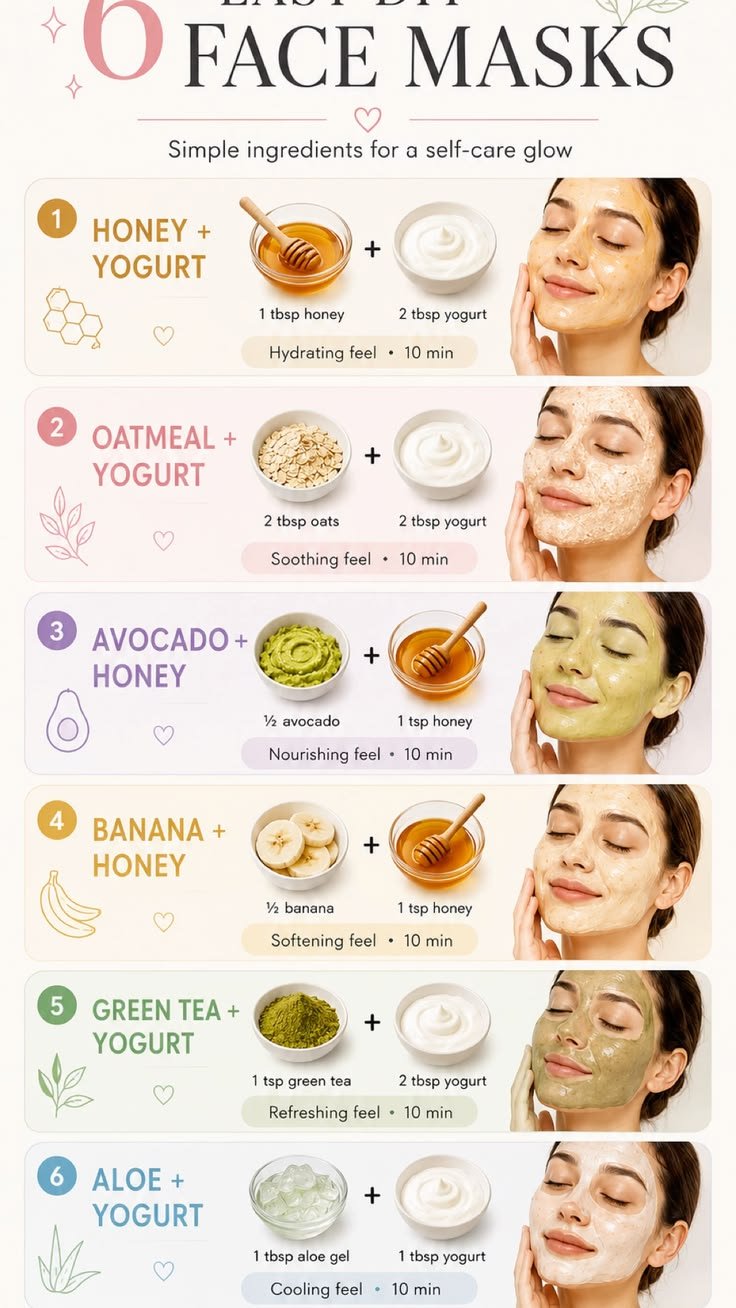
    • Using harsh DIY beauty treatments
    • Thinking expensive products are always better

    A simple and consistent routine can often be easier to maintain.

    Final Thoughts

    Beauty wellness is about looking after yourself as a whole rather than focusing only on appearance.

    Skincare, hair care, hygiene, sleep, relaxation, movement, and self-care can all be part of a balanced routine.

    You do not need perfection or an expensive collection of beauty products. Start with simple habits, choose products that suit your needs, and build a routine that makes you feel comfortable and cared for.