
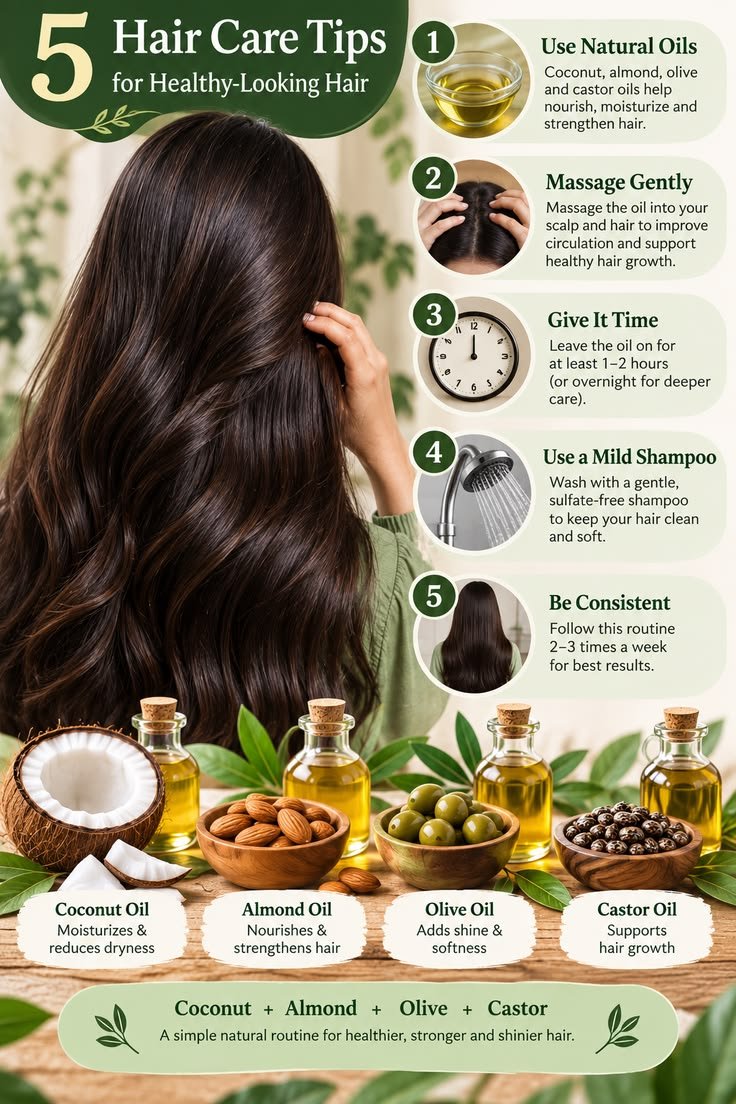
Hair care is an important part of a personal beauty routine. Healthy-looking hair doesn’t require dozens of products or complicated routines. Understanding your hair type, choosing suitable products, and developing consistent habits can make hair care much easier.
Whether your hair is straight, wavy, curly, or coily, the right routine starts with understanding what your hair needs.
What Is Hair Care?
Hair care includes the everyday habits and products used to keep your hair and scalp clean, comfortable, and well maintained.
A basic hair care routine may include:
- Shampoo
- Conditioner
- Hair treatments
- Leave-in products
- Gentle brushing
- Heat protection when using styling tools
The ideal routine varies from person to person.
Why Is Hair Care Important?
A consistent hair care routine can help maintain:
- Clean hair and scalp
- Softness
- Manageability
- Moisture
- Healthy-looking texture
- Overall hair condition
Hair is affected by many factors, including washing habits, styling, heat, environmental conditions, and chemical treatments.
Know Your Hair Type
Understanding your hair type can help you choose suitable products and techniques.
Straight Hair
Straight hair generally lies flat and can sometimes become oily more quickly because natural scalp oils can travel easily along the hair shaft.
Lightweight products may work well for some people.
Wavy Hair
Wavy hair has a natural wave pattern and may benefit from products that provide moisture without making the hair feel heavy.
Curly Hair
Curly hair often needs careful moisture management and gentle handling.
Conditioners and leave-in products can help make curls easier to manage.
Coily Hair
Coily hair has a tighter curl pattern and can be more prone to dryness.
Gentle handling and appropriate moisturizing products can help maintain comfortable, manageable hair.
How Often Should You Wash Your Hair?
There is no single washing schedule that works for everyone.
How often you wash your hair can depend on:
- Hair type
- Scalp oiliness
- Activity level
- Climate
- Hair products
- Personal preference
Some people wash their hair several times a week, while others wash it less frequently.
The goal is to find a routine that keeps your scalp comfortable and your hair manageable.
How to Shampoo Your Hair
A simple shampoo routine is:
- Wet your hair thoroughly.
- Apply shampoo mainly to the scalp.
- Massage gently with your fingertips.
- Rinse thoroughly.
- Follow with conditioner if appropriate.
Avoid aggressively scratching or rubbing the scalp.
Why Is Conditioner Important?
Conditioner helps improve the feel and manageability of the hair after washing.
It can help make hair feel:
- Softer
- Smoother
- Easier to detangle
Apply conditioner mainly to the lengths and ends if that works well for your hair.
How to Brush Your Hair
Brushing technique matters.
Try to:
- Use a suitable brush or comb.
- Detangle gently.
- Avoid pulling aggressively.
- Start from the ends when removing tangles.
- Work gradually toward the roots.
Curly or textured hair may benefit from detangling with a wide-tooth comb or while conditioned, depending on the hair type.
Protect Your Hair From Heat
Frequent use of high heat from styling tools can contribute to hair damage.
If you use:
- Hair dryers
- Straighteners
- Curling irons
use appropriate heat protection and avoid unnecessarily high temperatures.
Allowing your hair to dry naturally when practical can also reduce heat exposure.
Hair Care in Different Weather Conditions
Hot Weather
Sun, heat, sweat, and frequent swimming can affect your hair.
Consider protecting your hair with:
- A hat
- Appropriate hair products
- Thorough rinsing after swimming
Cold Weather
Cold, dry conditions can make hair feel drier.
A suitable conditioner or moisturizing product may help improve comfort and manageability.
Humid Weather
Humidity can increase frizz for some hair types.
Lightweight styling products can help manage the appearance of frizz without making the hair feel heavy.
Common Hair Care Mistakes
Washing Too Aggressively
Scrubbing the scalp too hard can cause unnecessary irritation.
Using Too Much Product
More product doesn’t always produce better results. Start with a small amount and increase only when needed.
Excessive Heat Styling
Frequent high-heat styling can contribute to damage.
Brushing Too Roughly
Pulling through tangles aggressively can cause unnecessary breakage.
Ignoring the Scalp
Hair care starts at the scalp. Keeping it clean and comfortable is an important part of a healthy routine.
Simple Hair Care Routine
A basic routine could look like this:
Wash Day
Shampoo → Conditioner → Gentle drying → Leave-in product if needed
Between Washes
- Detangle gently.
- Avoid unnecessary heat.
- Protect hair during sleep if helpful for your hair type.
- Refresh your hairstyle when needed.
Hair Care and Nutrition
Hair growth and overall hair health are influenced by general nutrition and health.
A balanced diet that provides adequate nutrients is important for the body and hair.
Avoid taking supplements specifically for hair without a genuine need or professional guidance.
When to See a Professional
If you experience persistent scalp irritation, significant hair loss, sudden changes in hair growth, or other ongoing concerns, consider speaking with a dermatologist or another qualified healthcare professional.
Final Thoughts
Good hair care doesn’t have to be complicated. Start by understanding your hair type, choose products that suit your needs, handle your hair gently, and avoid unnecessary heat or harsh treatments.
With a consistent routine and a little experimentation, you can find a hair care approach that works well for you.